As a genealogist, exploring your family's past can often lead you to unexpected places and historical contexts. For many Australians of European descent, one such place is the Bonegilla Migrant Reception and Training Centre. This post-war migrant camp played a significant role in the Australian migration history between 1947 and 1971 and has been recognised on the National Heritage List.
A Brief Overview of the Bonegilla Migrant Reception and Training Centre
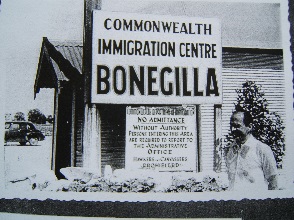
The Bonegilla Migrant Reception and Training Centre was established in 1947 in the wake of World War II. It was one of several migrant reception camps in Australia designed to accommodate displaced persons from war-torn Europe. The centre, located near Albury-Wodonga on the Victoria-New South Wales border, was the largest and longest-running facility of its kind. Over its 24-year operation, it processed more than 320,000 migrants, significantly shaping the Australian demographic landscape.
The Role in Post-War Australian Immigration
Bonegilla played a pivotal role in post-war Australian immigration. After World War II, Australia embarked on an ambitious immigration programme to boost its population and workforce. The centre, initially a military camp, was repurposed to receive, house, and train new immigrants, primarily from European countries, before they were settled into Australian society. You can find more details about these events in the National Archives of Australia and the digitized collections available through Trove.
Living Conditions and Assimilation
While Bonegilla was instrumental in the assimilation of thousands of migrants into Australian society, it was not without its challenges. Overcrowding, language barriers, and cultural differences led to tension and several protests. However, it also fostered a multicultural community that has had a lasting impact on Australian society.
Migrant Journeys and Family History
For many Australians, the story of Bonegilla is a part of their family history. The centre's records provide valuable information about the individuals who passed through its doors, including their names, nationalities, and occupations. The National Archives of Australia and Ancestry.com.au hold extensive records that can help you trace your family's migrant journey.
Bonegilla Block 19 History
One notable part of the Bonegilla Migrant Reception and Training Centre is Block 19. This preserved section of the camp provides a snapshot of the life and living conditions at the centre. Today, Block 19 serves as a museum, providing a tangible connection to this important chapter of Australia's migration history.
Tracing Your Ancestors' Steps
If you suspect that your ancestors might have been among the hundreds of thousands who passed through Bonegilla, there are several resources available to help you confirm this. Birth, death, and marriage certificates can provide valuable clues. The Victoria BDM and NSW State Archives are excellent starting points for this research. The Queensland State Archives also hold relevant records.
Conclusion
The Bonegilla Migrant Reception and Training Centre is a significant part of Australia's post-war immigration history. Its legacy continues to shape Australia's multicultural identity. By understanding this history and tracing your family's journey, you can gain a deeper connection to your own heritage and a broader understanding of Australia's past.
Next Steps
Begin your research by exploring the resources listed here. Remember to document your findings and keep track of your sources. With patience and persistence, you can piece together your family's unique migration story and contribute to the rich tapestry of Australia's history.